A First-Timer’s Guide to Navigating Tokyo’s Ramen Scene
Intro
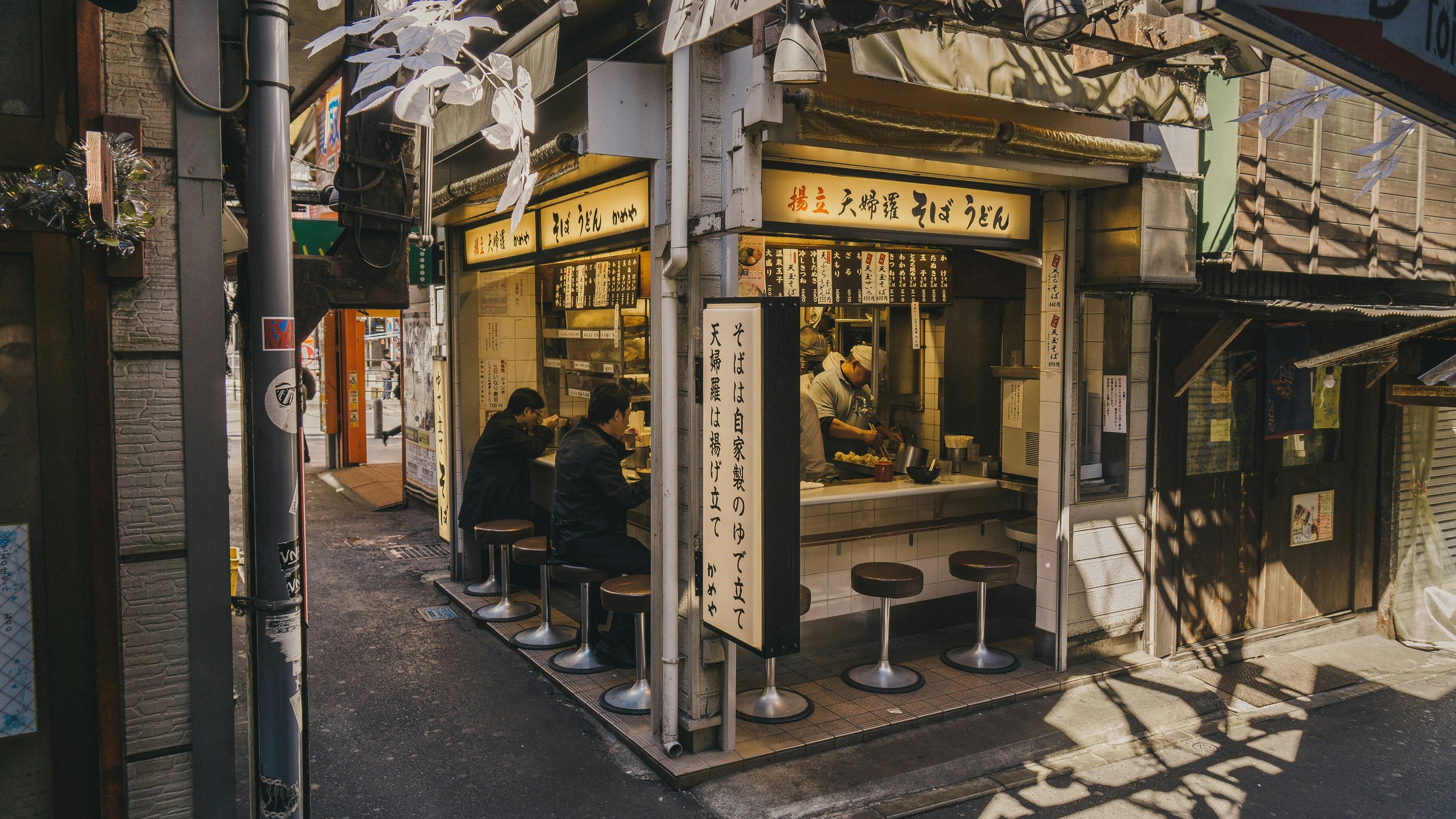
Michelin stars aside, Tokyo’s food scene is incredible. Contrary to the mountains of money you can spend dining at the finest establishments in Ginza, we found that there are plenty of quality cheap eat options dotted throughout the city. From endless quality ramen shops and udon noodle houses to barbequed unagi (eel), waygu beef, and (of course) sushi, you won’t find any trouble filling your stomach. The problem you’ll run into is simply picking what to eat first. To simplify this ever-complex landscape of delicious options, we’ve compiled a checklist of dishes you can’t miss out on, starting with Tokyo’s most versitile dish, ramen, and where to find some of the best versions of it.
Ramen, one of the first food items that comes to mind when we think think Japanese cuisine. A lot of us Westerners (especially those of us who spent their childhood on the East Coast) probably grew up on the 15-cent instant variety. I would be a liar if I didn’t admit that a steaming bowl of instant Shrimp and Chicken ramen still hits.
Now a days, no matter how fancy ramen gets, it’s still a dish that brings me back to childhood. Here’s a quick rundown of a few popular styles of ramen to sink your spoon into.
Tonkotsu Ramen
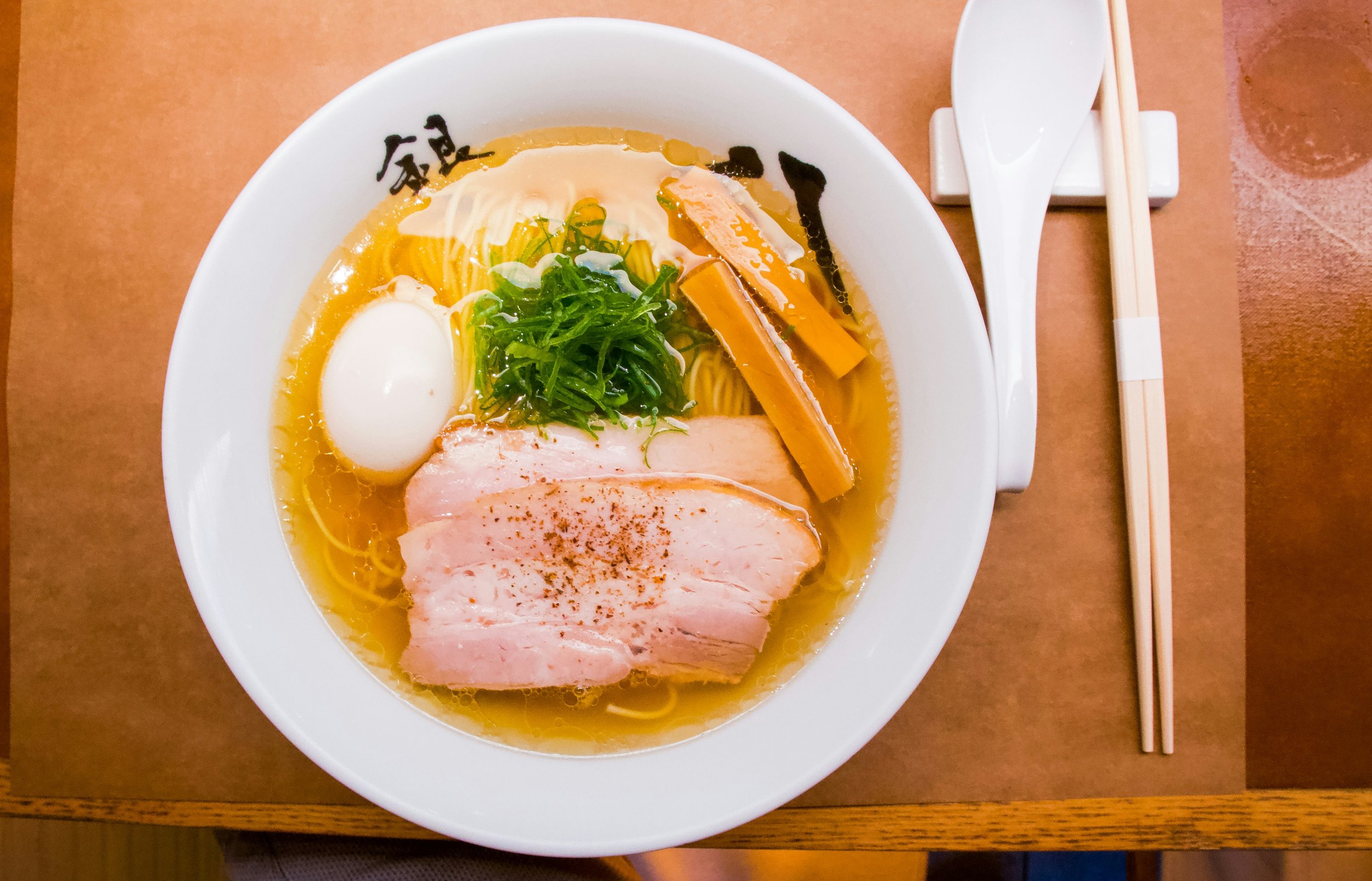
Tonkotsu is a rich, pork bone-based broth (ton meaning pork, kotsu meaning bone) that originated in the Japanese city of Fukuoka (#19 on NYT’s 52 best places to go in 2023). We ended up having our share of tonkotsu at Ichiran, one of Japan’s most famous tonkotsu ramen joints. Review? It was solid. They’re open super late like most ramen spots are (if not 24/7) and, depending on where you are and what time it is, have a line. If you’re near an Ichiran and have a craving for hangover-preventing ramen, you won’t be disappointed.
Niboshi Ramen
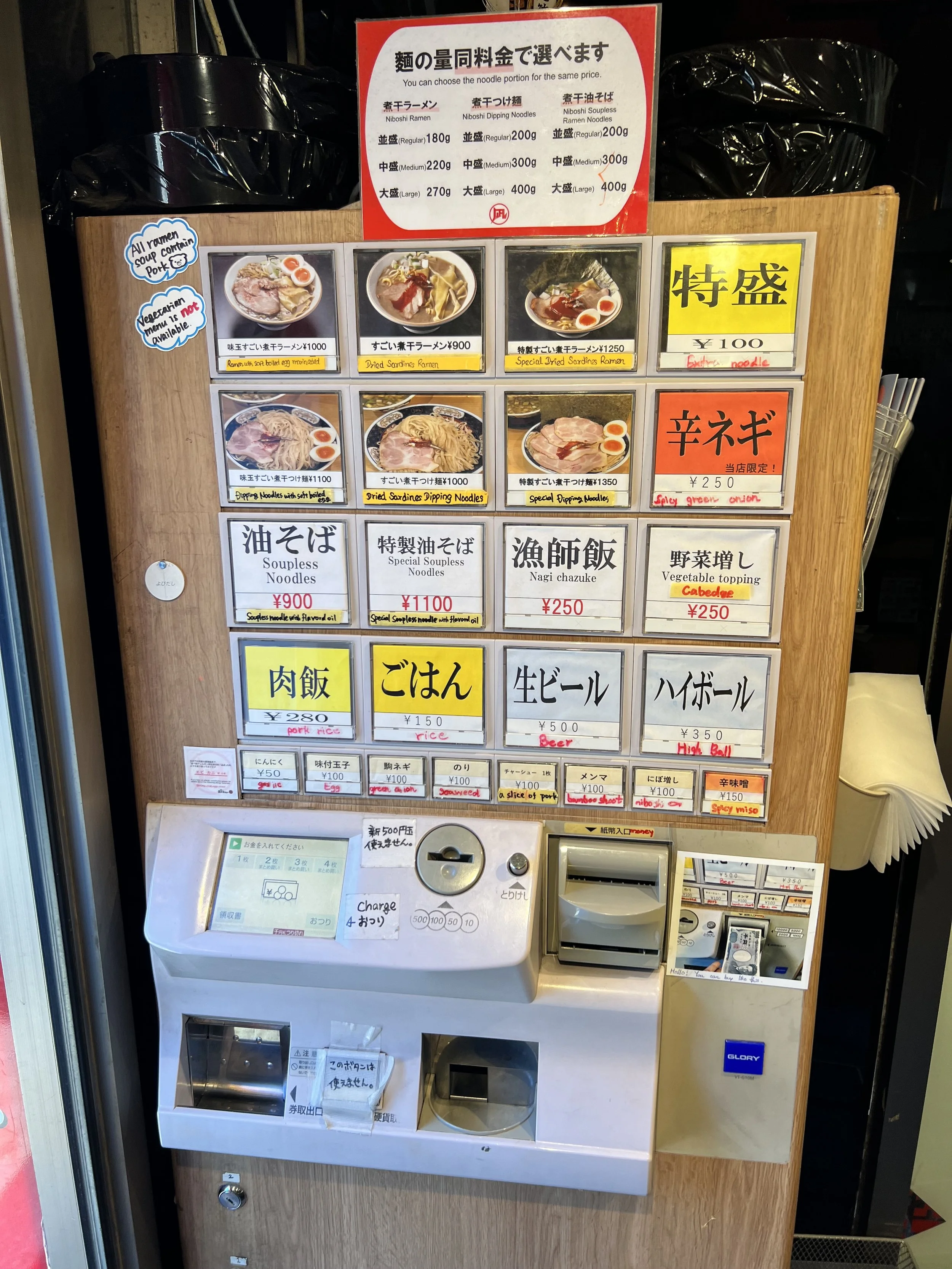
Niboshi ramen is something special, and not for every palate. The broth is primarily made from sardines but can also be any other type of dried fish. The result is unlike something you’ve ever tasted before. Salty and fishy in the best of ways. For a true immersive experience, have your fishy ramen for breakfast. Our go-to in Shinjuku is Ramen Nagi (open 24/7), supposedly the king of Niboshi ramen in Golden Gai. Frantically order yours like we did from the vending machine style, Japanese only menu at the front. Advice? Use the pictures to guide you. Also, don’t knock breakfast fish noodle soup until you’ve tried it. I’d call it in my top 5 eating experiences in Japan for the money.
Chicken Ramen (Tori Paitan / Chintan)
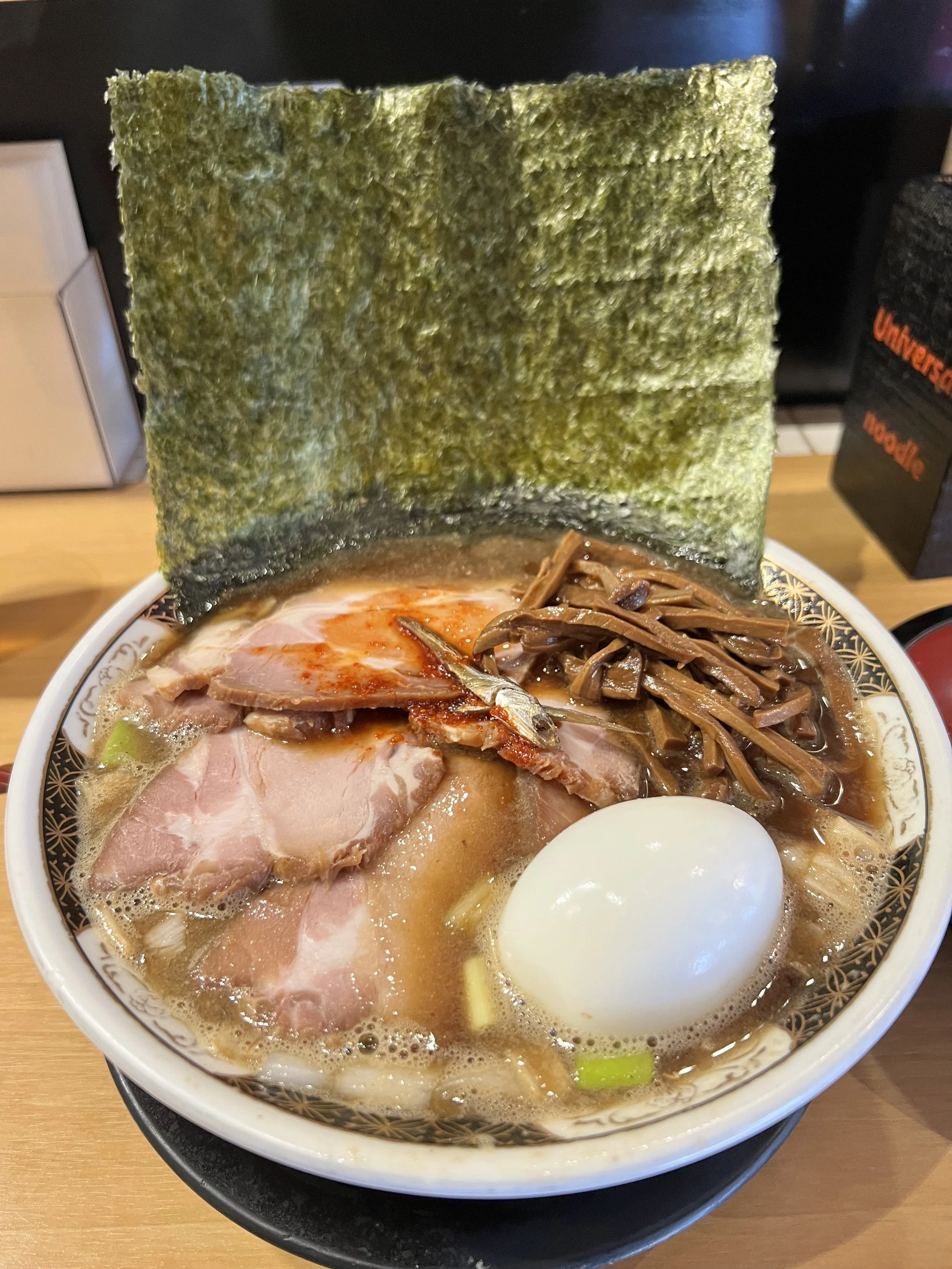
Yup, just like those childhood memories, chicken ramen has made its comeback, but this time in the most delicious way. You’ll find yourself with the choice between clear (Chintan) or creamy (Paitan). Our preference was the creamy version for its intense depth of flavors that make you question what chicken soup back home should really taste like. If you’re craving a rich and complex poultry explosion, a couple chicken based ramen spots to try include Hayashida (Shinjuku), Ginza Kagari (Ginza), Ginza Hachigou (Ginza), and Ramen Break Beats (Meguro City).
Tsukemen
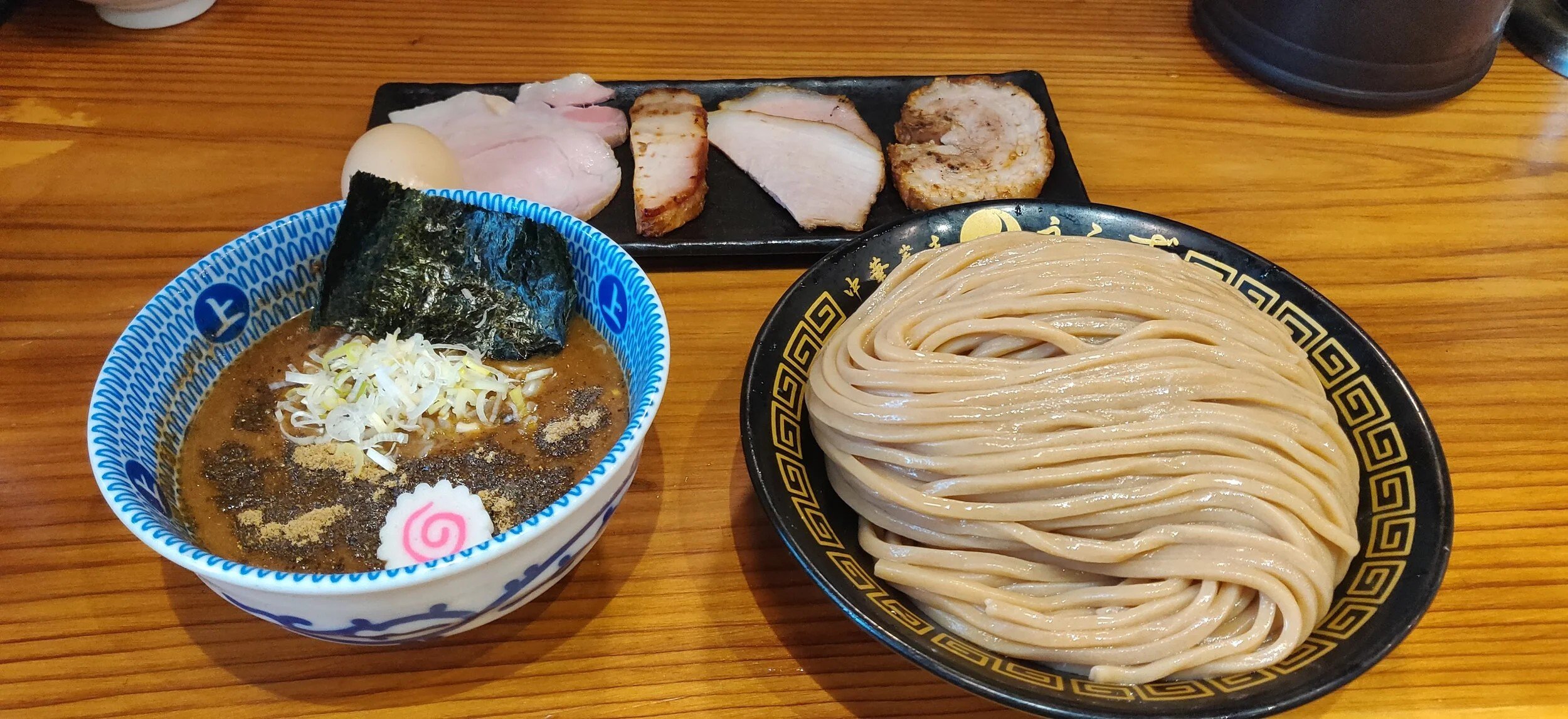
This one might throw you off. Yes there are noodles, yes there is a deliciously deep bowl of broth, but as Tsukemen, these two core components are served separately. Here’s how it works… The most delectable and chewy noodles are served cold alongside a vat of steaming, rich soup that begs to be slurped as you enjoy it. In fact, slurping is encouraged as the most culturally appropriate way to consume this unique version of a classic. and the louder the better. Slurping isn’t just meant to be obnoxious. It has practical applications. It enhances the flavor by aerating the noodles and broth, it shows appreciation to the chef as a sign that you’re enjoying the meal, and, most importantly, slurping is the most efficient way to eat the ramen before the noodles soften or the broth cools down. Try your hand at Tsukemen at Ramen Tomita in Matsudo. It’s about a 45-minute train ride from Shinjuku station, but it’s totally worth it.
Pro tips:
Depending on popularity, Ramen shops may require reservations in advance or have long queues that wrap around blocks. This is very common and the price you may have to pay to satisfy your intense ramen cravings. The key is to plan in advance.
Ramen shops in Tokyo typically follow the traditional Shokkenki (meal ticket machine) ordering system. Usually at the front of the shop, look for a vending machine style device with (sometimes) pictures and (mostly in Japanese) descriptions of your options. Money goes in first, then pick your ramen style, and finally your toppings and extras. You’ll likely be confused, and like me, immediately out yourself as a tourist. If you feel panicked, just hit the large button in the top left corner. It’s almost always the shop’s specialty dish.
Ramen wrap-up
There are plenty more ramen varieties than those highlighted above. Japan is filled with soupy noodle joints. In all reality you can’t go wrong. I found that there are the “best of the best” shops, which you can try your hardest to plan into the schedule, but if you find yourself with a craving, and those top-notch joints are not a realistic distance away, you won’t be disappointed asking a local for their recommendations. I found that if you approach them quietly and with respect, the Japanese are some of the friendliest, most helpful culture of people in the world.
